
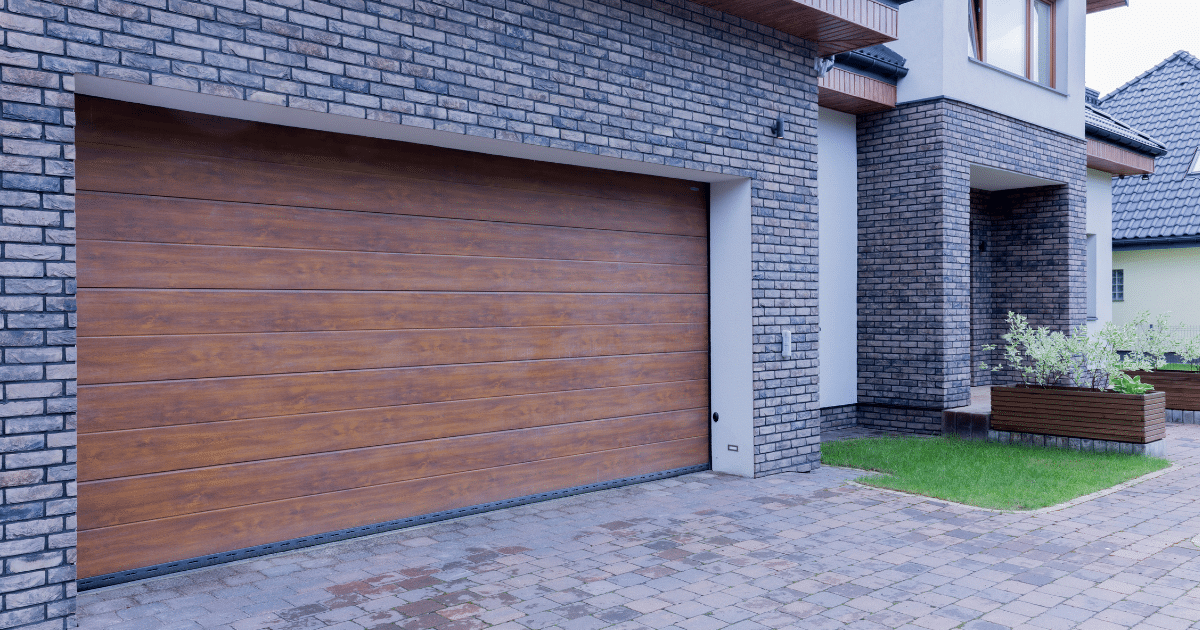
When an earthquake hits, your garage door is often one of the largest moving objects in your home. Without proper preparation, it can pose serious safety risks to your family, vehicles, and property. Earthquake-proofing your garage door is a critical part of Bay Area earthquake preparedness.
This guide walks homeowners through a practical checklist to secure their garage doors, minimize damage, and maintain access if the power goes out.
First: Why Earthquake Preparedness Matters for Garage Doors
Garage doors are heavy, tensioned systems designed for daily use, not seismic activity. In an earthquake, unsecured doors can derail, cause structural damage, or trap vehicles and family members inside. Preparing your garage door ahead of time reduces risk and ensures your home is ready for unexpected tremors.
Bay Area homeowners face unique challenges due to the region’s frequent seismic activity, older home stock, and varied construction styles. Read on for seven tips to help prepare your garage door before the next quake.
The Earthquake-Proofing Garage Door Checklist
Follow these seven tips to secure your garage door for an earthquake.
1. Inspect and Reinforce Door Tracks
Check that vertical tracks are properly anchored to the wall studs. Loose or damaged tracks increase the risk of derailment. Consider adding extra bracing near the top and bottom of the tracks to strengthen the frame.
Ensure horizontal tracks are level and free from gaps or bends. A well-aligned track system keeps the door stable during tremors and prevents unexpected movement.
2. Confirm Opener Mounting and Hardware Security
Garage door openers are another critical point of failure. Make sure the opener is securely mounted to a ceiling joist or reinforced beam, not just drywall.
Check that all brackets, bolts, and fasteners on the door and opener assembly are tight. Loose components can fail during an earthquake, causing the door to fall or jam.
3. Test Manual Operation
Power may be out after a quake, so knowing how to operate your garage door manually is essential.
Locate the emergency release cord and practice disengaging the opener, then lifting and lowering the door by hand. If the door feels heavy, sticks, or moves unevenly, call a professional to adjust the springs, balance, or rollers.
4. Evaluate Garage Door Springs
Both torsion and extension springs must be in good condition to maintain balance. Rust, wear, or fatigue can make the door dangerous during seismic activity. Have a licensed technician inspect and replace springs as needed to ensure smooth operation.
5. Install Earthquake Garage Door Bracing or Retrofitting Kits
For additional protection, consider retrofit kits designed for garage doors in seismic zones. These kits often include reinforced brackets, heavy-duty anchors, and upgraded hardware to stabilize the door frame and tracks during a quake.
6. Check Door Alignment and Clearances
Doors that stick, bind, or rub against tracks are at higher risk of jamming in an earthquake. Inspect the entire door, including rollers and bottom seals, for smooth operation. Clear any debris from tracks and lubricate moving parts to reduce friction.
7. Secure Vehicles and Interior Items
If your garage is attached to your home, unsecured vehicles, bikes, or storage items can become hazards in a quake. Position cars away from the edges of the door and anchor heavy items to walls where possible.
When to Call a Professional to Earthquake-Proof Your Garage Door
Earthquake-proofing a garage door is more than just tightening bolts or clearing tracks. A licensed technician can thoroughly inspect springs, cables, rollers, and all moving components for wear, making sure each part operates safely. They can confirm that your tracks are properly aligned, reinforce bracing to meet seismic safety standards, and install retrofit kits or other reinforced hardware if needed. Professionals also test both manual and automatic operation to ensure your door will function reliably during and after a quake.
Stay Safe With a Secure Garage Door
Garage doors are heavy, complex systems, and earthquakes amplify their risks. By following this checklist, practicing manual operation, and working with licensed professionals, you can reduce hazards and protect your home.
At Right Way Garage Doors, our team helps Bay Area homeowners strengthen their garage doors for earthquakes, providing expert installation, peace of mind, and the confidence that comes from knowing your home is prepared for seismic events. Contact us today to schedule an inspection and earthquake-proof your garage door before the next tremor.
Frequently Asked Questions About Earthquake-Proofing Your Garage Door
Is seismic retrofitting a garage door worth it?
Yes. A properly retrofitted garage door can prevent significant damage during an earthquake. Since garage doors are often the largest moving objects in a home, securing them reduces the risk of structural damage, protects your belongings, and ensures safe access for your family. It’s a relatively low-cost upgrade compared with potential repair expenses after a quake.
Is there a grant for earthquake retrofit in California?
Certain local programs and utility incentives may offer financial assistance for seismic retrofitting, particularly for older homes or specific high-risk areas. Requirements and availability vary by city and county, so checking with local building departments or the California Office of Emergency Services is a good first step.
Does earthquake retrofitting my garage door increase home value?
While it may not directly raise the market price, a retrofitted garage door adds tangible peace of mind, safety, and long-term durability, all of which are attractive factors for Bay Area buyers. In a competitive market, highlighting a well-prepared, structurally secure garage can improve curb appeal and buyer confidence, effectively enhancing perceived value.